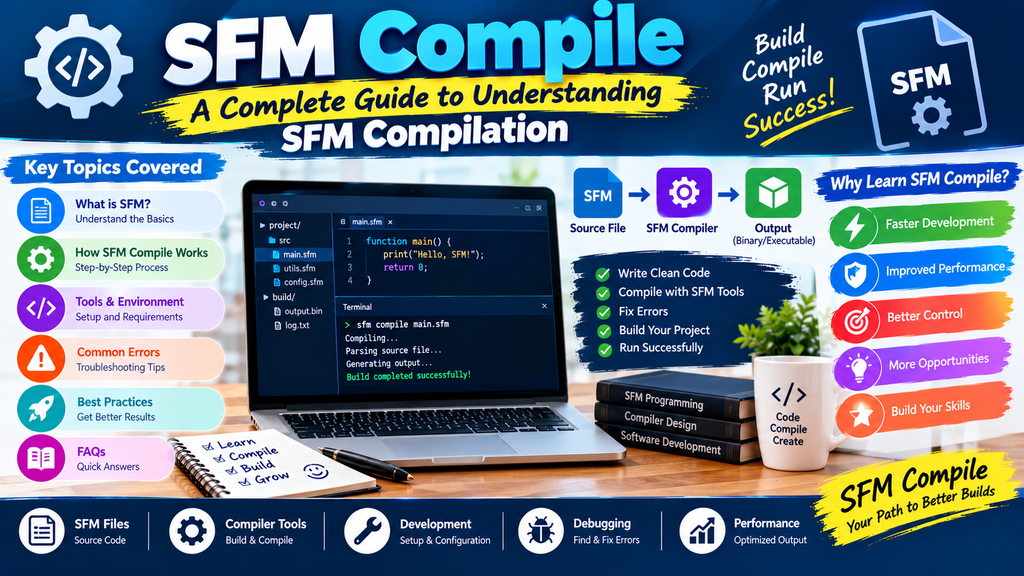

Introduction to SFM Compile
SFM Compile is an important term for people who work with Source Filmmaker (SFM), a 3D animation and video creation tool developed by Valve. Source Filmmaker allows users to create animated videos using characters, environments, lighting, camera movements, and visual effects from games powered by the Source engine. The compilation process is an essential part of preparing projects, rendering animations, and producing finished video content.
For beginners, understanding SFM compile can make animation workflows easier and help prevent common technical problems. Whether you are creating short animations, cinematic scenes, character demonstrations, or gaming videos, learning how compilation works can improve your overall production experience.
This article explains SFM compilation, its importance, common applications, potential errors, and practical tips for achieving better results.
What Is SFM Compile?
SFM compile generally refers to the process of converting or preparing assets and project elements for use in Source Filmmaker or related Source engine tools. Depending on the context, compilation may involve processing 3D models, textures, materials, animation assets, or other project resources.
The term can also be used informally when discussing rendering and exporting completed SFM animations. However, compiling assets and rendering a finished animation are two different processes.
Asset compilation prepares supported resources for use by the engine, while rendering produces the final images or video frames from a scene. Understanding this distinction helps users choose the correct workflow for their projects.
Why Is SFM Compilation Important?
SFM compilation is useful because it helps ensure that assets are prepared in formats compatible with the relevant tools. Properly prepared resources can reduce compatibility issues and make projects easier to manage.
Here are some important benefits of understanding SFM compilation:
- Asset compatibility: Proper compilation helps supported models, materials, and other resources work with the intended engine tools.
- Improved workflow: Organized assets and correct settings make projects easier to maintain.
- Error prevention: Identifying problems during asset preparation can prevent later difficulties.
- Better project management: A clear compilation process helps creators organize custom resources.
- Efficient production: Learning the correct tools can reduce unnecessary troubleshooting.
Although compilation does not automatically improve animation quality, it supports a reliable workflow and allows creators to focus more on creativity.
How Does SFM Compile Work?
The SFM compilation workflow depends on the type of resource being prepared. A typical custom-model workflow begins with creating or obtaining a compatible asset, preparing its files, and processing the necessary resources using the appropriate Source engine utilities.
For example, a custom character model may require a model source file, material definitions, texture images, and other supporting resources. These components must be configured correctly before the model can be used successfully.
The general workflow includes the following steps:
- Prepare the source files: Organize the model, textures, materials, and related resources.
- Check compatibility: Confirm that the files meet the requirements of the intended Source engine toolchain.
- Configure the necessary settings: Review paths, material references, and relevant configuration files.
- Compile the asset: Use the appropriate compiler or utility for the resource type.
- Test the result: Load the compiled resource in the intended environment and check for errors.
- Correct any problems: Fix missing files, incorrect paths, or configuration issues.
The exact procedure varies according to the asset type and the Source engine version being used.
Common Tools Used for SFM Compile
Several tools may be involved in preparing assets for Source Filmmaker. The correct choice depends on whether you are working with models, textures, materials, or animations.
Source SDK Tools
Source SDK tools support various development tasks for compatible Source engine projects. Depending on the available toolchain, they may include utilities for compiling models and other game resources.
Users should check the documentation for their particular engine version before selecting a compiler.
Crowbar
Crowbar is a community tool commonly associated with Source engine model workflows. It can help users decompile supported model files and compile models from suitable source assets.
It is especially relevant to creators who want to work with custom models or modify existing resources for compatible projects.
VTFEdit and Texture Tools
Source engine materials may use Valve Texture Format (VTF) files. Tools such as VTFEdit have historically been used to view or create compatible texture resources.
Correct texture formats and material references are important because an otherwise valid model may appear incorrectly if its materials are missing or configured improperly.
Blender and Other 3D Software
Blender and other 3D applications can help creators design, edit, and prepare models before they enter a Source engine workflow. Additional export or conversion steps may be required to produce compatible files.
These applications do not replace every Source-specific compiler, but they can be valuable parts of the asset creation process.
Common SFM Compile Errors and Their Solutions
Compilation errors can occur when files are missing, configurations are incorrect, or assets are incompatible with the selected toolchain. Understanding common problems makes troubleshooting easier.
Missing Texture Files
Missing textures can cause models to appear with error materials or incorrect surfaces. Check whether the texture files exist and whether the material definitions reference the correct locations.
Also confirm that the textures have been converted into the required formats.
Incorrect File Paths
Incorrect paths can prevent compilation tools from locating source files or writing output files. Review directory settings, filenames, and output locations carefully.
Using a consistent folder structure can make this problem easier to prevent.
Unsupported Model Formats
Not every 3D model format can be compiled directly for Source Filmmaker. Some models need to be exported, converted, or prepared using additional tools.
Check the requirements of your chosen compiler before starting the process.
Compilation Failures
A compiler may stop because of malformed configuration files, invalid model data, missing dependencies, or unsupported features.
Read the error message carefully and address the first relevant error before attempting the process again. Repeatedly running the same failed command without changing anything is unlikely to solve the problem.
Models That Do Not Appear in SFM
A successfully compiled asset may still be unavailable in the application if it is stored in the wrong location or its dependencies are missing.
Verify that the output files are placed in an appropriate game or mod directory and that Source Filmmaker can access the required resources.
Best Practices for Successful SFM Compilation
Following a few practical guidelines can make asset preparation more reliable.
- Keep backups: Save copies of original models, textures, and configuration files before making changes.
- Use organized folders: Separate source files, compiled files, textures, and project assets.
- Check documentation: Follow instructions for the specific Source engine version and tool you are using.
- Read compiler logs: Error messages often identify the file or setting responsible for a failure.
- Test small changes: Compile and test one asset at a time when troubleshooting complicated projects.
- Verify dependencies: Make sure required materials, textures, and supporting files are available.
- Use trusted downloads: Obtain tools and assets from reputable sources to reduce security and compatibility risks.
These practices are helpful for beginners and experienced creators alike.
SFM Compile vs. SFM Rendering
SFM compilation and rendering are related to content creation, but they serve different purposes.
Compilation prepares supported resources for use by compatible tools. Rendering calculates the appearance of a scene, including lighting, materials, camera settings, and animation, to generate image frames.
For example, if a custom model fails to load because it was compiled incorrectly, the problem should be addressed during asset preparation. If the model loads correctly but the final video looks too dark, the issue may instead involve lighting, exposure, or rendering settings.
Knowing which process is responsible for a problem saves time and helps creators troubleshoot more effectively.
Tips for Beginners Learning SFM Compile
Beginners should start with a simple project and gradually explore more advanced asset workflows. Learning how models, materials, textures, and engine directories interact provides a strong foundation.
Start by opening a working SFM project and learning where its assets are stored. Next, explore how compatible models and materials are organized. Once you understand the basic structure, experiment with a simple custom asset using the appropriate tools.
Avoid changing multiple files simultaneously because it can make errors difficult to identify. Keep notes about successful settings and save working versions of your project.
It is also helpful to consult community tutorials and technical documentation. Since Source engine tools can differ across versions, prioritize instructions that match your particular setup.
Frequently Asked Questions About SFM Compile
What does SFM compile mean?
SFM compile generally refers to preparing assets for use with Source Filmmaker or related Source engine tools. The precise meaning depends on whether the discussion concerns models, textures, materials, or a broader production workflow.
Is compilation the same as rendering?
No. Compilation prepares supported assets, while rendering generates the visual frames of a scene. Both processes may be necessary when creating a finished animation.
Can beginners learn SFM compilation?
Yes. Beginners can learn the process by starting with simple assets, following compatible tutorials, and carefully reviewing error messages.
Why does my compiled model not appear in SFM?
Possible causes include incorrect file locations, missing dependencies, unsupported formats, or configuration problems. Check the output directory and verify that all required resources are accessible.
Which tool should I use for SFM compile?
The appropriate tool depends on the asset type and engine version. Model compilation, texture conversion, and animation rendering may require different utilities.
Conclusion
SFM compile is a useful concept for anyone working with Source Filmmaker and compatible Source engine tools. Understanding compilation helps creators prepare custom assets, organize project files, troubleshoot errors, and build a more dependable animation workflow.
By using suitable tools, maintaining organized directories, checking compatibility, and testing assets carefully, beginners can avoid many common problems. It is equally important to distinguish asset compilation from rendering, since each process addresses a different stage of content creation.
Whether your goal is to create custom characters, develop cinematic scenes, or produce gaming animations, learning the fundamentals of SFM compilation can help you work more confidently and efficiently. Start with simple projects, use reliable documentation, and gradually expand your skills as your animation projects become more advanced.