
Introduction to Cellulogia
Cellulogia is a term that has gained attention in discussions about skincare, body wellness, beauty, and healthy lifestyles. Many people search for information about cellulogia to understand its meaning, possible causes, and relationship with skin appearance and body care. Although the term is not widely established as a formal medical diagnosis, it is often associated with topics such as cellulite, skin texture, and cosmetic treatments.
Understanding cellulogia requires exploring how the skin works, what influences its appearance, and which habits may help maintain healthy-looking skin. From proper nutrition to regular exercise and skincare routines, several factors can contribute to overall skin health.
In this article, we will explore cellulogia, its possible meaning, common causes associated with cellulite, skincare practices, and helpful lifestyle recommendations.
What Is Cellulogia?
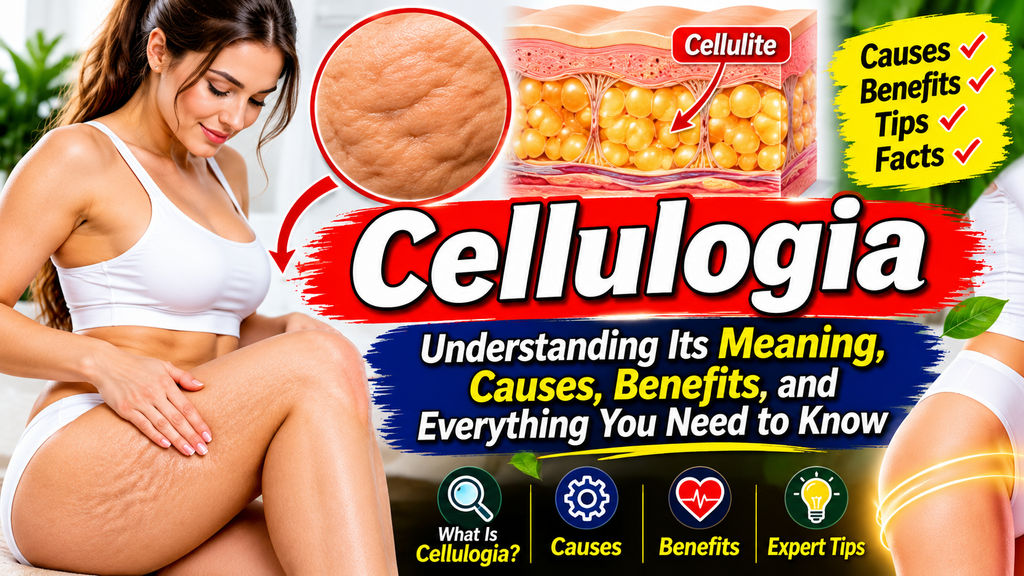
Cellulogia is a term that may be used in online beauty and wellness discussions to describe concerns related to cellulite and skin appearance. It is important to distinguish this term from cellulite, which is a recognized cosmetic condition characterized by a dimpled or uneven appearance of the skin.
Cellulite commonly appears on areas such as:
- Thighs
- Buttocks
- Hips
- Abdomen
- Upper arms
It occurs when fat deposits beneath the skin interact with connective tissue, creating a bumpy or uneven surface.
Cellulite is extremely common and can affect people of different body shapes, sizes, and fitness levels. It is generally harmless and does not necessarily indicate an underlying health problem.
Common Causes Associated With Cellulogia
Several factors can influence the development and appearance of cellulite. These factors may vary from person to person, and genetics often plays an important role.
1. Genetics
Genetics can influence skin structure, fat distribution, and connective tissue. If cellulite runs in your family, you may have a greater likelihood of developing a similar skin appearance.
2. Hormonal Changes
Hormones, particularly estrogen, can influence fat storage, circulation, and connective tissue. Hormonal changes during puberty, pregnancy, and menopause may affect skin appearance.
3. Aging
As people get older, their skin naturally loses collagen and elasticity. This can make cellulite more noticeable because the skin becomes thinner and less firm.
4. Lifestyle Habits
Daily habits can influence overall skin health. Limited physical activity, smoking, and an unbalanced diet may affect circulation, body composition, and skin quality.
However, cellulite is not simply caused by poor lifestyle choices. Even physically active and healthy individuals can experience it.
Signs and Appearance of Cellulogia
People who use the term cellulogia are often referring to visible changes in skin texture associated with cellulite.
Common characteristics include:
- Small dimples on the skin.
- Uneven or bumpy skin texture.
- An orange-peel-like appearance.
- Visible changes around the thighs and buttocks.
- Skin irregularities that become more noticeable when standing or sitting.
The appearance of cellulite can differ depending on genetics, skin thickness, age, and body composition.
It is important to remember that these changes are natural and do not necessarily require medical treatment.
How to Maintain Healthy Skin
Maintaining healthy skin involves a combination of proper nutrition, hydration, exercise, and consistent skincare. While these habits cannot guarantee the removal of cellulite, they can support overall skin health.
1. Follow a Balanced Diet
A nutritious diet provides essential vitamins, minerals, antioxidants, and proteins that support normal skin function.
Consider including:
- Fresh fruits and vegetables.
- Whole grains.
- Lean proteins.
- Nuts and seeds.
- Healthy fats.
- Foods rich in vitamin C.
Vitamin C supports collagen production, while protein provides amino acids needed for maintaining skin structure.
2. Drink Enough Water
Hydration is important for maintaining normal skin function. Drinking sufficient water helps the body regulate its temperature, transport nutrients, and maintain normal physiological processes.
Although drinking more water does not directly eliminate cellulite, staying hydrated supports general wellness.
3. Exercise Regularly
Physical activity can improve muscle strength, support circulation, and help maintain a healthy body composition.
Useful activities include:
- Walking.
- Swimming.
- Cycling.
- Squats.
- Lunges.
- Strength training.
Building muscle may improve the appearance and firmness of certain body areas, although it does not completely remove cellulite.
Skincare Treatments and Cellulogia
Many skincare products and cosmetic treatments are marketed for improving the appearance of cellulite. Their effectiveness varies, and results are not always permanent.
Topical Creams
Some creams contain caffeine or retinol. Caffeine may temporarily improve the appearance of skin, while retinol may gradually improve skin thickness and texture.
These products generally require consistent use, and their results can be modest.
Massage Therapy
Massage may temporarily improve the appearance of cellulite by affecting fluid movement and local circulation. However, the results are usually temporary.
Laser Treatments
Certain laser procedures target connective tissue beneath the skin or stimulate collagen production. Depending on the treatment, results may last for several months or longer.
Radiofrequency Treatments
Radiofrequency procedures use controlled energy to heat deeper skin layers. They may improve skin firmness and reduce the visible appearance of cellulite in some individuals.
A qualified dermatologist or medical professional can explain the possible benefits, risks, and costs of these procedures.
Natural Ways to Improve Skin Appearance
Many people prefer simple lifestyle practices before considering cosmetic treatments.
Here are some practical approaches:
Dry brushing: Some people use a soft body brush to exfoliate the skin. It can temporarily make the skin feel smoother, but there is limited evidence that it reduces cellulite.
Moisturizing: Applying moisturizer regularly helps maintain the skin barrier and reduces dryness.
Strength training: Exercises targeting the legs, hips, and glutes can help build muscle and improve overall body composition.
Healthy eating: A balanced diet supports normal skin function and general health.
Consistent sleep: Getting enough sleep supports the body’s natural repair and recovery processes.
These practices are useful for general wellness, but none should be considered a guaranteed cure for cellulite.
Myths and Facts About Cellulogia
There are many misconceptions about cellulite and related beauty terms. Understanding the facts can help people make informed decisions.
| Myth | Fact |
|---|---|
| Only overweight people develop cellulite. | People of all body sizes can have cellulite. |
| Exercise completely removes cellulite. | Exercise may improve muscle tone but cannot guarantee its removal. |
| Cellulite is a disease. | Cellulite is generally a harmless cosmetic condition. |
| Expensive creams permanently remove cellulite. | Most topical products offer limited or temporary improvements. |
| Drinking water cures cellulite. | Hydration supports skin health but does not eliminate cellulite. |
Avoid products that promise immediate or permanent results without reliable scientific evidence.
When Should You Consult a Dermatologist?
Cellulite usually does not require medical attention. However, if you notice sudden skin changes, pain, swelling, redness, or unusual lumps, you should consult a healthcare professional.
A dermatologist can evaluate your skin and recommend suitable treatment options if you are concerned about its appearance.
Professional advice is especially important before trying aggressive cosmetic procedures or products that may irritate sensitive skin.
The Importance of Body Confidence
Beauty and wellness should not be defined by perfectly smooth skin. Cellulite is a natural feature of human bodies and is experienced by many people.
Social media advertisements and edited photographs can create unrealistic expectations about physical appearance. It is important to recognize that natural skin texture is normal.
Instead of focusing entirely on eliminating cellulite, consider building healthy habits, maintaining physical activity, and choosing skincare products that support your skin’s needs.
Confidence comes from understanding and accepting your body while taking care of your overall health.
Conclusion
Cellulogia is a term associated with online discussions about cellulite, skincare, and body appearance, although it is not a formally recognized medical condition. Cellulite itself is a common and generally harmless cosmetic feature influenced by genetics, hormones, aging, skin structure, and other factors.
Maintaining a balanced diet, drinking enough water, exercising regularly, and following a consistent skincare routine can support healthy skin. Cosmetic treatments may offer additional improvements, but their results vary.
Most importantly, remember that cellulite is natural. Healthy skin does not have to be perfectly smooth, and everyone deserves to feel confident in their body.
Understanding cellulogia and the science behind cellulite can help you make better decisions about skincare, wellness, and body confidence.