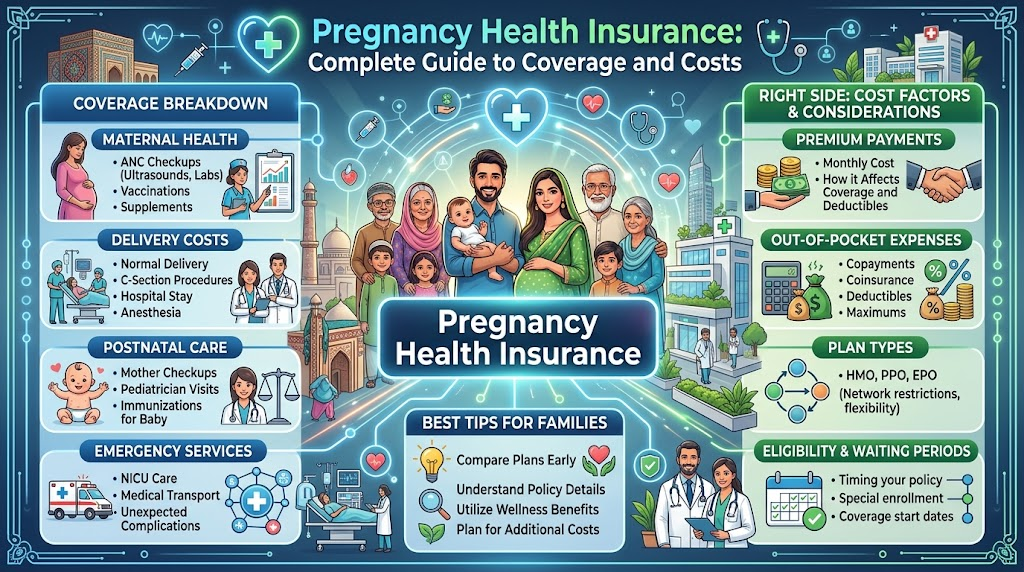

Welcome to the wonderful and exciting world of growing a family! If you are thinking about having a baby, or if you just found out you are expecting, you probably have a million thoughts running through your head. One of the most important things to figure out early on is Pregnancy Health Insurance. Finding the right medical coverage can feel a bit confusing with all the big words and rules. But do not worry at all! We are going to break down everything you need to know in very simple terms. Having the right policy means you can focus on resting, eating well, and getting ready to meet your little one, instead of stressing over expensive medical bills. Let us walk through this journey together and make sure you feel totally prepared.
Why You Need Coverage Before You Expect
Planning ahead is one of the smartest things you can do when starting a family. Many people do not realize that having proper pregnancy health insurance in place before you conceive makes a huge difference. Medical costs for doctor visits, ultrasounds, and giving birth add up very fast. When you have a solid health plan, you do not have to pay for all of those expensive check-ups out of your own pocket. Think of your policy as a warm safety net holding you up. It gives you peace of mind so you can sleep well at night, knowing that your doctors, hospital stays, and routine tests are fully supported by your insurance provider.
Understanding Your Maternity Benefits
When looking closely at pregnancy health insurance, you want to know what services are included. Almost all major medical plans cover essential maternity benefits. This means your routine prenatal doctor visits, important lab tests, gestational diabetes screenings, and ultrasounds are typically taken care of. Inpatient hospital services, room charges, and physician fees during labor and delivery are also part of the package. Knowing these details helps you plan your budget much better. Always check your specific policy handbook to see the exact list of covered treatments so there are no surprises when you arrive at the hospital.
How the Affordable Care Act Protects Mothers
Years ago, getting pregnancy health insurance was much harder if an insurance company labeled your pregnancy as a “pre-existing condition”. Thankfully, rules have changed for the better! Today, under modern healthcare laws like the Affordable Care Act, insurance companies cannot turn you away just because you are pregnant. They also cannot charge you a higher monthly fee or deny you a policy based on your gender or health status. This means every future mom has a fair and equal chance to get the medical protection she truly deserves during this special chapter of life.
Exploring Government Assistance and Medicaid Options
If you do not have a private plan through a job, you still have great choices for pregnancy health insurance. Many expecting mothers qualify for government programs like Medicaid or the Children’s Health Insurance Program (CHIP). These programs are designed to help families with lower income levels access free or very low-cost medical care. Unlike regular marketplace plans, you can usually apply for Medicaid at any time during the year. If you qualify, it covers your entire pregnancy journey, labor, delivery, and even crucial postpartum care for months after your baby is born.
Checking Network Hospitals and Doctors
Choosing the right doctors is a big part of managing your pregnancy health insurance plan. You want to make sure your favorite obstetrician, local hospital, and pediatrician are all inside your insurance network. Visiting doctors who are out-of-network can cause your medical bills to skyrocket. Before you make an appointment, call your insurance provider or check their online directory. Confirming that your delivery hospital is approved keeps your costs low and lets you rest easy, knowing your medical team works smoothly with your insurance provider.
Managing Deductibles, Copays, and Out-of-Pocket Costs
Money talks can be boring, but they are super important when dealing with pregnancy health insurance. Every health plan comes with terms like deductibles, copays, and coinsurance. Your deductible is the amount of money you must pay out of your own pocket before your insurance starts paying for care. Some modern plans offer upfront pricing with clear details, helping you budget month by month. Always look at how much your monthly premium costs compared to what you might pay when you actually visit the doctor or give birth. Balancing these numbers helps you avoid unexpected financial stress.
Adding Your Newborn to Your Health Plan
The adventure does not stop the moment your baby is born; in fact, that is just the beginning! Once your little bundle of joy arrives, you must update your pregnancy health insurance policy. Having a baby is considered a major life event, which opens a special enrollment window. You typically have 30 to 60 days after birth to add your newborn baby to your existing plan. Doing this on time ensures that your baby’s very first pediatrician visits, routine vaccines, and wellness check-ups are fully covered from day one.
Mental Health and Wellness Support for New Moms
Taking care of your mind is just as important as taking care of your body. Quality pregnancy health insurance plans increasingly include coverage for mental health services. Pregnancy and the postpartum period bring huge emotional changes, and talking to a counselor or therapist can help immensely. Many insurance providers now offer virtual therapy sessions, 24/7 support lines, and wellness apps at little to no extra cost. Never hesitate to use these helpful mental health benefits if you feel overwhelmed, anxious, or just need someone friendly to talk to.
Saving Extra Money with HSAs and FSAs
If you want an extra financial cushion, you can pair your pregnancy health insurance with a Health Savings Account (HSA) or a Flexible Spending Account (FSA). These special accounts let you put aside pre-tax money specifically for medical expenses. You can use these funds to pay for deductibles, prescriptions, breast pumps, and other baby-related healthcare needs. Starting one of these accounts early in your pregnancy is a smart strategy to lower your overall taxes and keep extra cash ready for any medical surprises along the way.
Conclusion
Navigating the world of pregnancy health insurance might feel a bit tricky at first, but taking it step by step makes it totally manageable. From understanding your basic maternity benefits to picking in-network hospitals and adding your newborn to your policy, every choice you make builds a safe environment for your growing family. Remember to explore your options early, check for government assistance if needed, and always prioritize your physical and mental well-being.
What steps are you taking today to prepare your health coverage for your new baby?
Frequently Asked Questions
Can an insurance company deny me coverage because I am pregnant?
No, modern health insurance rules state that insurance companies cannot deny you coverage or charge you higher rates just because you are pregnant. Pregnancy is no longer treated as a harmful pre-existing condition.
When should I sign up for a maternity health plan?
It is always best to sign up during your job’s open enrollment period or through the marketplace before you get pregnant. This helps you avoid any waiting periods and ensures you are fully covered right from the start.
Does health insurance cover routine ultrasounds and prenatal visits?
Yes, nearly all standard health insurance plans cover routine prenatal check-ups, doctor consultations, lab tests, and medically necessary ultrasounds as preventive care.
What happens if my preferred hospital is out-of-network?
If your hospital or doctor is out-of-network, your insurance may refuse to pay for the services, leaving you with massive medical bills. Always verify your provider network before scheduling your delivery.
Can I get Medicaid if I am pregnant and have a low income?
Yes, state Medicaid programs offer free or low-cost health coverage to pregnant women who meet specific income limits. You can apply for Medicaid at any time during the year.
How long do I have to add my newborn baby to my insurance plan?
You generally have between 30 to 60 days after your baby is born to officially add them to your health insurance policy through a special enrollment period.