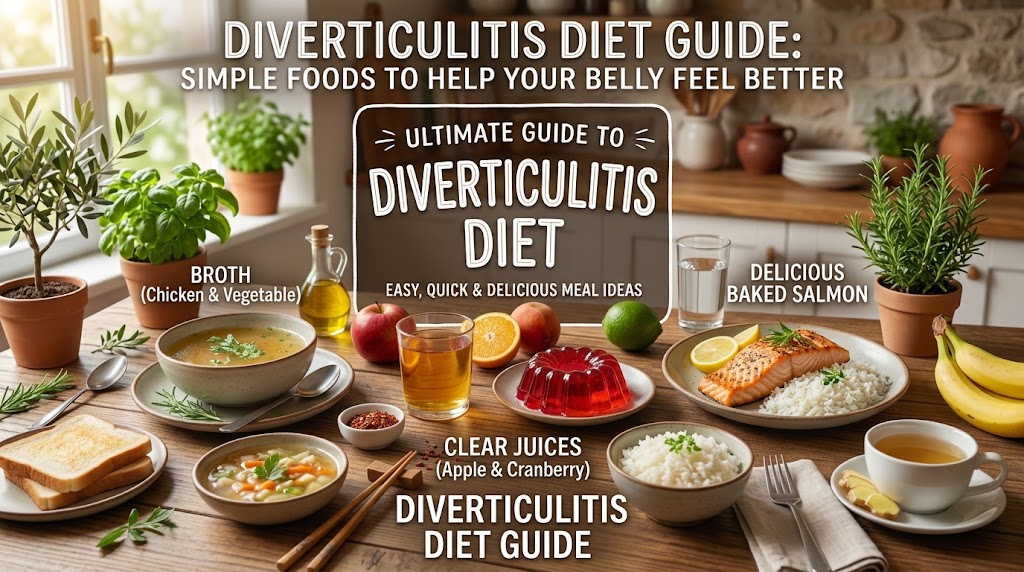

Have you ever felt a sharp ache in your lower belly and wondered what is going on inside? Sometimes, tiny pouches in your large intestine can get swollen and angry. This is called diverticulitis, and it can really hurt! When your tummy feels this way, eating the right food is like giving your body a cozy blanket and a big hug. A Diverticulitis Diet is a special plan designed to give your tummy a well-deserved rest so it can heal up nicely.
When your belly hurts badly during a flare-up, doctors often suggest starting with a clear liquid diet. This means sipping things like clear broths, apple juice, and gelatin. It sounds simple, but it stops your gut from working too hard. As you start to feel better, you slowly add soft, low fiber foods back onto your plate. Think of white toast, cooked eggs, and canned fruit. It is all about taking baby steps to protect your digestive health.
Later on, when your tummy is fully healed, your main goal changes completely. You will want to switch over to high fiber foods like beans, whole grains, and fresh veggies. This keeps everything moving smoothly and stops those pesky pouches from acting up again. Managing your daily fiber intake is one of the coolest superpowers you can have for lifelong colon health. Let us walk through this simple guide together and learn how to feed your body right!
What is Diverticulitis and Why Does Food Matter?
Your large intestine is shaped like a long tube with smooth walls. Sometimes, small weak spots push outward to form tiny pouches called diverticula. When these little pockets get blocked or infected, they swell up like tiny balloons. This causes uncomfortable abdominal pain and fever. Choosing the right diverticulitis diet is super important because food touches your gut directly every single day. If you eat the wrong snack during a flare-up, it can irritate the swollen area even more.
Think of your digestive tract as a busy highway carrying goods through your body. When there is road construction or an accident, you have to slow down traffic so workers can fix the pavement safely. Giving your gut a break with gentle liquids or soft items acts like a traffic cone. It lets your body repair itself without extra stress. Once the inflammation calms down, you can open the road back up for normal, healthy eating habits.
Understanding how your body processes meals helps you make smart choices every single day. You do not need a medical degree to take care of your tummy. Just listen to what your body tells you after you eat. If a certain meal makes your stomach grumble in a bad way, take a step back. Healing takes a little bit of time and a whole lot of patience.
Phase One: The Clear Liquid Diet for Flare-Ups
When a painful flare-up hits out of nowhere, your doctor might tell you to rest your colon completely. This is where a clear liquid diet comes to the rescue. For a couple of days, you will only consume liquids you can see right through. This includes chicken or vegetable broth, plain water, apple juice, and ice pops without any fruit pulp. It sounds basic, but it gives your gut the ultimate vacation it desperately needs.
During this resting phase, your digestive system does not have to break down heavy solid particles. Instead, it can focus all its energy on fighting the infection and reducing swelling. Even though you are not eating big meals, staying hydrated is extremely important. Sip on water and clear broths throughout the day to keep your energy levels steady.
Transitioning away from this phase happens gradually as your pain starts to fade away. You will know you are ready for the next step when your belly feels softer and the sharp aches begin to disappear. Never rush this process, because slow and steady wins the race when it comes to gut healing. Your tummy will thank you for taking things nice and slow.
Phase Two: Moving to Low Fiber Foods
As your belly starts feeling better after the liquid phase, you are ready for some actual food. However, you cannot jump straight into crunchy salads just yet. Instead, a proper diverticulitis diet introduces soft, low fiber foods. These items digest very easily and leave very little waste behind in your colon. Good choices include plain white rice, skinless chicken breast, scrambled eggs, and well-cooked pasta.
Eating low fiber foods helps your colon ease back into its normal routine without getting overworked. You can also enjoy white bread toast, plain yogurt, and canned peaches without the skins. The goal here is to keep your meals super simple and gentle. Avoid spicy seasonings, heavy creams, and greasy fried foods for now, as these can easily upset your recovering stomach.
Listen closely to your body as you add these new items to your plate. Try eating smaller meals more often throughout the day instead of three massive feasts. This gives your digestive system tiny, manageable tasks rather than one huge job. Every small bite brings you one step closer to feeling like your normal, energetic self again.
Phase Three: Transitioning to High Fiber Foods
Once your doctor says you are completely healed from your flare-up, your daily eating strategy changes for the long term. Now, you want to focus heavily on high fiber foods. Fiber is like a gentle broom that sweeps through your digestive tract and keeps everything moving smoothly. Without enough fiber, waste can get stuck in those tiny colon pouches and cause trouble all over again.
Great sources of healthy fiber include delicious fruits, crispy vegetables, beans, lentils, and whole grains like brown rice and oatmeal. When you add these wonderful foods to your routine, make sure to drink plenty of water alongside them. Water helps the fiber do its job properly without causing any bloating or gas.
Making this shift is one of the best ways to protect your long-term colon health. You can start small by sprinkling a spoonful of chia seeds over your morning cereal or adding a handful of beans to your soup. Over time, these tiny habits add up to massive health benefits for your entire body.
Essential Fiber Foods to Add to Your Plate
Building a colorful plate full of nutritious ingredients is easier and more fun than you might think. When your gut is healthy and ready for fiber, you want a balanced mix of soluble and insoluble fiber. Soluble fiber dissolves in water to form a gel-like substance, which helps slow down digestion. You can find this in yummy foods like oats, apples, beans, and carrots.
Insoluble fiber does not dissolve in water, and it adds bulk to your stool to keep things moving. This type is found in whole wheat, brown rice, nuts, and the skins of many vegetables. Combining both types gives your body the ultimate toolkit for fantastic digestive health. Just remember to introduce new fiber sources slowly over a couple of weeks to avoid surprising your stomach.
Here is a quick look at some fantastic high fiber options to try:
- Oatmeal: A warm, comforting bowl of morning oats packed with gentle soluble fiber.
- Berries: Raspberries and blackberries offer sweet flavor and tons of natural bulk.
- Lentils: Tiny beans that add amazing texture and hearty plant-based nutrients to soups.
- Quinoa: A fluffy, protein-rich grain that is super easy to cook and digest.
- Sweet Potatoes: Baked sweet potatoes loaded with vitamins and friendly dietary fiber.
Foods to Avoid During a Flare-Up
Knowing what not to eat is just as important as knowing what to put on your plate. When you are dealing with active belly pain, certain items act like troublemakers in your gut. You should completely avoid high fiber foods like raw vegetables, whole nuts, seeds, and popcorn during a painful episode. These rough items can get trapped in your colon pouches and make the swelling much worse.
You should also steer clear of greasy fast foods, sugary sodas, artificial sweeteners, and extremely spicy dishes. These items can trigger cramping, gas, and irritation when your digestive lining is already sensitive. Keeping a simple food journal can help you spot any hidden ingredients that make your tummy feel unhappy.
Once your gut is fully healed, most foods can return to your menu in moderation. But during a flare-up, keeping your diet simple and plain is the safest bet. Always trust your instincts and consult your healthcare provider if you are ever unsure about a specific food item.
Daily Hydration and Gut Healing
Water is the magical ingredient that makes every single part of your body work properly. When you follow a diverticulitis diet, drinking enough fluids is non-negotiable. Water keeps your digestive tract lubricated so food and waste can slide through effortlessly. Without enough water, even the best fiber foods can cause blockages and discomfort.
Aim to sip on fresh water throughout the entire day rather than chugging a huge glass all at once. If plain water feels a bit boring, try adding a slice of lemon, cucumber, or a few fresh mint leaves for natural flavor. Herbal teas like chamomile or peppermint can also soothe your stomach and keep you nicely hydrated.
Good hydration also helps your body flush out toxins and supports your immune system during recovery. Think of every glass of water as a refreshing rain shower for your inner garden. Keeping your body hydrated sets the foundation for lasting wellness and happy digestion.
Meal Planning Made Simple for Every Day
Planning your meals ahead of time takes away the daily stress of figuring out what to eat. When you manage a busy schedule, having a simple meal routine keeps you on track with your health goals. Start by mapping out a few safe breakfast, lunch, and dinner options that fit your current healing phase.
For breakfast during recovery, a bowl of warm cream of rice or plain scrambled eggs works wonderfully. Lunch can be a comforting bowl of smooth chicken broth with soft noodles. Dinner might feature tender, baked white fish alongside a scoop of mashed potatoes without the skins. Keeping your ingredients simple ensures your tummy stays calm and happy.
As you graduate to a normal high-fiber routine, your meal planning becomes even more exciting. You can prep colorful salads, bean-rich chilis, and roasted vegetable medleys for the whole week. Preparing your food at home gives you complete control over every single ingredient that goes into your body.
Comprehensive Detailing Table
| Diet Phase | Primary Goal | Recommended Foods | Foods to Avoid |
| Phase 1: Clear Liquid | Complete gut rest and hydration | Broth, apple juice, gelatin, water, popsicles | All solid foods, pulp, milk, dairy |
| Phase 2: Low Fiber | Gentle transition and easy digestion | White toast, eggs, plain rice, cooked chicken | Raw veggies, nuts, seeds, whole grains |
| Phase 3: High Fiber | Long-term prevention and colon health | Beans, oatmeal, berries, lentils, whole wheat | Processed junk food, greasy meals, excess sugar |
Conclusion
Taking care of your belly does not have to feel confusing or overwhelming. By understanding how a diverticulitis diet works, you hold the power to help your body heal and stay strong. From resting your gut with clear liquids to building long-term wellness with high fiber foods, every smart choice matters. Start today by listening to your body, drinking plenty of water, and choosing gentle meals that make you feel amazing. Your digestive health is worth every little bit of effort! Share your favorite tummy-friendly recipe in the comments below, or pass this helpful guide along to a friend who might need it.
Frequently Asked Questions
What is the main goal of a diverticulitis diet?
The main goal is to give your colon time to heal during a flare-up and prevent future irritation by managing your fiber intake properly.
Can I eat popcorn if I have diverticulitis?
During an active flare-up, you must avoid popcorn and other crunchy snacks with small seeds because they can irritate your colon pouches.
How much water should I drink with a high fiber diet?
You should aim to drink plenty of water throughout the day, usually around 8 glasses or more, to help fiber move smoothly through your system.
Are nuts and seeds strictly forbidden forever?
No, modern medical research shows that nuts and seeds do not cause diverticulitis attacks, so you can usually enjoy them once your gut is fully healed.
What are the best foods for a liquid diet phase?
Clear broths, apple juice, plain water, gelatin, and ice pops without fruit pulp are the best choices for resting your digestive tract.
When should I call a doctor about my belly pain?
If you experience severe abdominal pain, high fever, persistent vomiting, or sudden bleeding, you should contact a medical professional right away.