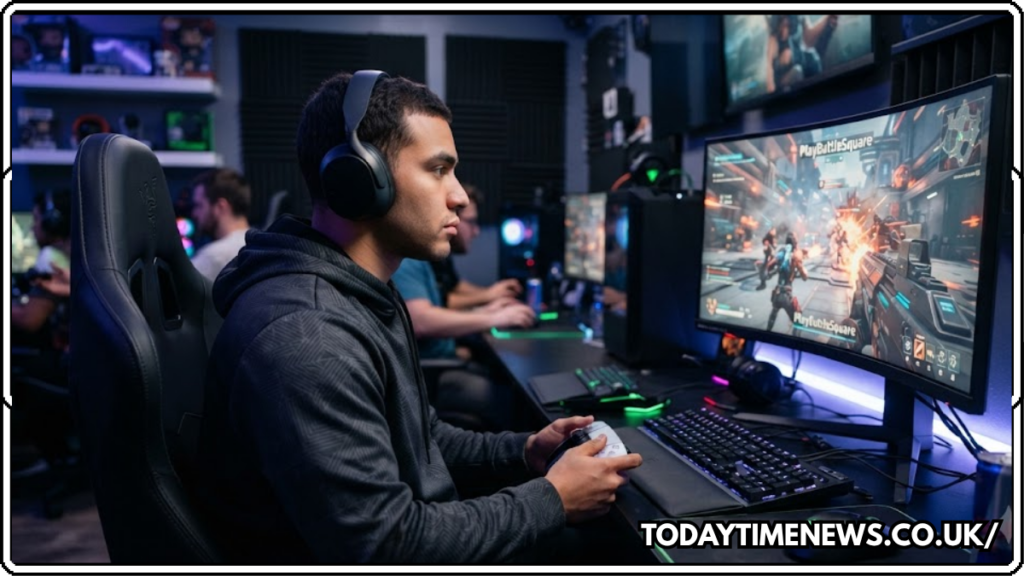

If you’ve recently heard people talking about playing games playbattlesquare, you’re probably trying to figure out what makes it different from the hundreds of other multiplayer titles available today. At first glance, it may look like another competitive strategy game, but spending a few hours with it quickly reveals that success depends on smart positioning, communication, and consistent decision-making rather than pure luck.
After several sessions, one thing becomes clear: many beginners focus too much on aggressive play and ignore map awareness. That mistake usually leads to early eliminations and missed opportunities. The strongest players aren’t necessarily the fastest—they’re the ones who recognize patterns, adapt to opponents, and stay patient.
This guide covers everything that actually matters, from learning the basics to improving advanced tactics, avoiding common mistakes, and getting more enjoyment out of every match.
What Makes This Game Different?
Unlike simple action games that reward quick reflexes alone, this experience blends tactical planning with real-time decisions. Every round forces players to balance offense and defense while paying close attention to changing conditions on the map.
That means every choice has consequences.
Move too aggressively, and you might leave teammates exposed. Play too cautiously, and opponents gain control of valuable areas before you react.
The balance between risk and reward is what keeps matches interesting.
Why New Players Usually Lose Their First Few Matches
There’s a pattern almost every beginner follows.
They sprint toward the first objective, ignore teammates, waste resources early, and panic during unexpected encounters.
Experienced players recognize these habits immediately.
Instead of chasing every fight, they wait for better opportunities. Sometimes avoiding one unnecessary battle leads directly to winning the entire round.
Patience consistently beats reckless aggression.
Learning the Core Mechanics Faster
Trying to memorize every mechanic during your first session usually leads to frustration.
A better approach is mastering one skill at a time.
Start with movement.
Learn:
- Safe routes across each map
- Common ambush locations
- Escape paths
- High-visibility areas
- Objective positions
After movement feels natural, work on timing.
Knowing when to attack often matters more than knowing how to attack.
Many experienced players intentionally wait 10 to 20 seconds before contesting an objective because rushing often attracts multiple opponents at once.
Map Awareness Wins More Games Than Raw Skill
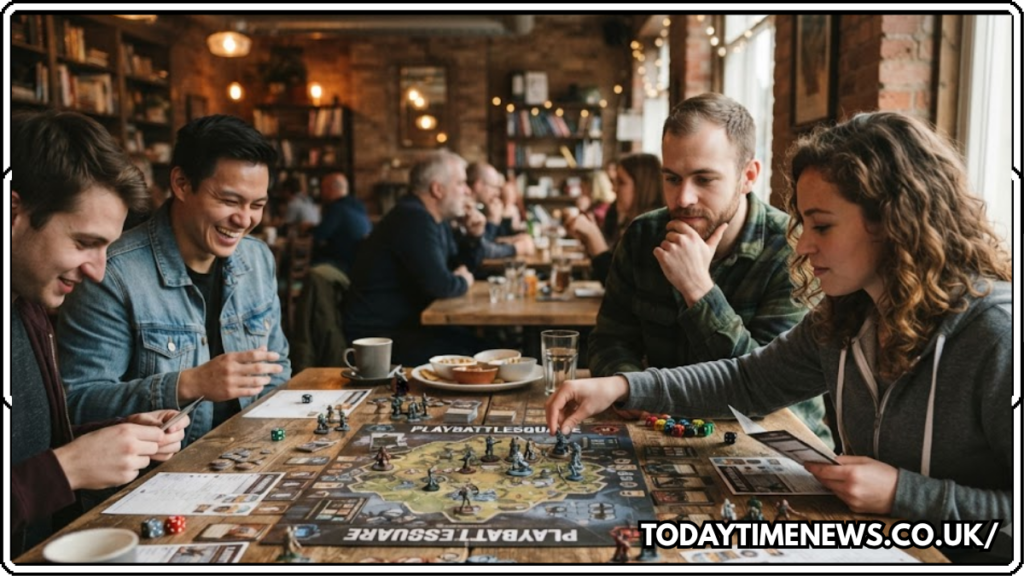
One lesson separates average players from consistently successful ones.
Always know what’s happening beyond your immediate fight.
Strong players constantly check:
- Team positions
- Enemy movement
- Remaining objectives
- Available cover
- Safe retreat options
Imagine you’re defending an objective.
Instead of staring down one hallway, glance at alternate entrances every few seconds.
That habit alone prevents countless surprise attacks.
Professional competitors across many strategy games rely on this exact principle because information creates better decisions.
Team Communication Matters More Than Fancy Plays
Solo hero moments look exciting on highlight videos.
Real victories usually come from coordinated teams.
Simple communication often outperforms complicated strategies.
Useful callouts include:
- Enemy location
- Resource availability
- Incoming attacks
- Objective timers
- Requests for backup
You don’t need lengthy discussions.
Even short updates like “two left side” or “objective clear” help teammates react faster.
Resource Management Is Often Overlooked
One of the biggest differences between beginners and veterans is how they manage valuable resources.
Less experienced players spend everything immediately.
Experienced competitors ask one question first:
“Will I need this two minutes from now?”
Holding onto an important ability, item, or defensive option frequently changes the outcome of late-game encounters.
Think of resources as investments rather than emergency buttons.
Common Mistakes That Slow Improvement
After watching countless public matches, the same problems appear repeatedly.
Chasing Eliminations
Winning feels great.
Chasing every opponent doesn’t.
Many players abandon important objectives just to secure another elimination, giving the opposing team free control of the map.
Ignoring Positioning
Standing in open areas makes you an easy target.
Good positioning reduces incoming pressure before the fight even begins.
Playing Every Match the Same Way
Opponents adapt.
You should too.
If one strategy keeps failing, changing your approach is usually smarter than repeating the same mistake.
Forgetting the Objective
This sounds obvious, yet it’s surprisingly common.
The scoreboard rarely rewards the player with the flashiest moments if the actual objective gets ignored.
Building Better Decision-Making
Mechanical skill improves with repetition.
Decision-making improves through reflection.
After each match, ask yourself:
- Why did that fight go wrong?
- Could I have retreated earlier?
- Did I help my teammates enough?
- Was attacking really necessary?
Even spending three minutes reviewing mistakes often produces faster improvement than playing another rushed game immediately.
Should You Play Solo or With Friends?
Both approaches offer different experiences.
Solo play develops independence.
You’ll learn to read situations without relying on constant communication.
Playing with friends creates stronger teamwork and generally leads to more consistent victories.
Groups also tend to experiment with coordinated tactics that rarely happen in random matchmaking.
If your goal is improvement, alternate between both.
Each teaches different skills.
The Best Mindset for Long-Term Success
Most players obsess over their win percentage.
That’s understandable, but it isn’t always the best measure of improvement.
Instead, track smaller achievements.
Did you survive longer?
Did you communicate better?
Did you make smarter rotations?
Those improvements eventually translate into more victories.
Competitive players often focus on process before results because consistent habits outperform emotional reactions.
How Much Time Does It Take to Improve?
There’s no universal timeline, but noticeable progress usually appears after 15 to 25 hours of focused practice.
That’s assuming you’re actively learning rather than repeating the same habits.
Someone who reviews mistakes, watches experienced players, and experiments with new strategies often improves much faster than someone simply grinding match after match.
Quality practice beats quantity almost every time.
Is Spending Money Necessary?
Most players can enjoy the full experience without making purchases.
Optional cosmetic items may personalize characters or appearances, but they generally don’t replace skill.
If you’re considering spending money, set a budget first.
For example, limiting entertainment purchases to around $20 per month keeps expenses reasonable while avoiding impulse buying.
No cosmetic upgrade compensates for poor positioning or weak teamwork.
Playing Games PlayBattleSquare: Practical Tips That Actually Help
Instead of memorizing dozens of complicated strategies, focus on a handful of reliable habits.
Stay close enough to teammates to provide support without clustering together.
Rotate toward objectives early instead of reacting late.
Pay attention to sound cues whenever possible.
Avoid unnecessary fights that don’t contribute to winning the round.
Most importantly, remain adaptable.
Every match develops differently, and the players who adjust quickly usually come out ahead.
Why Players Keep Coming Back
Many competitive games lose their appeal after a few weeks because every match feels identical.
This one stays interesting because no two rounds unfold exactly the same way.
Different teammates, different opponents, changing strategies, and unpredictable decisions create enough variety to keep experienced players engaged.
There’s always another tactic to test or another mistake to fix.
That constant opportunity for improvement is surprisingly satisfying.
FAQ
Is this game beginner friendly?
Yes, but expect a learning curve. The first several matches are more about understanding objectives and positioning than winning consistently.
Do I need voice chat to compete?
No. Voice chat helps coordinated teams, but quick in-game communication and smart positioning can still make you an effective teammate.
How many hours before I actually get good?
Most players notice steady improvement after about 15–25 hours of focused play. Reviewing mistakes speeds up that process more than simply playing extra matches.
Why do experienced players seem impossible to beat?
They usually aren’t reacting faster—they’re predicting situations earlier. Better map awareness and positioning create advantages before fights even begin.
Is playing games playbattlesquare better with friends?
For most people, yes. Coordinated teamwork makes communication easier and often creates more enjoyable, balanced matches than solo queue.
The best part of this game isn’t collecting wins—it’s watching your own decision-making improve over time. Every match teaches something new if you’re willing to pay attention. Focus on smart positioning, teamwork, and adaptability instead of chasing highlight-worthy moments, and you’ll find yourself winning more often while enjoying the experience a lot more.